
How to Choose a Thermal Riflescope: Complete Buying Guide
2026-08-29
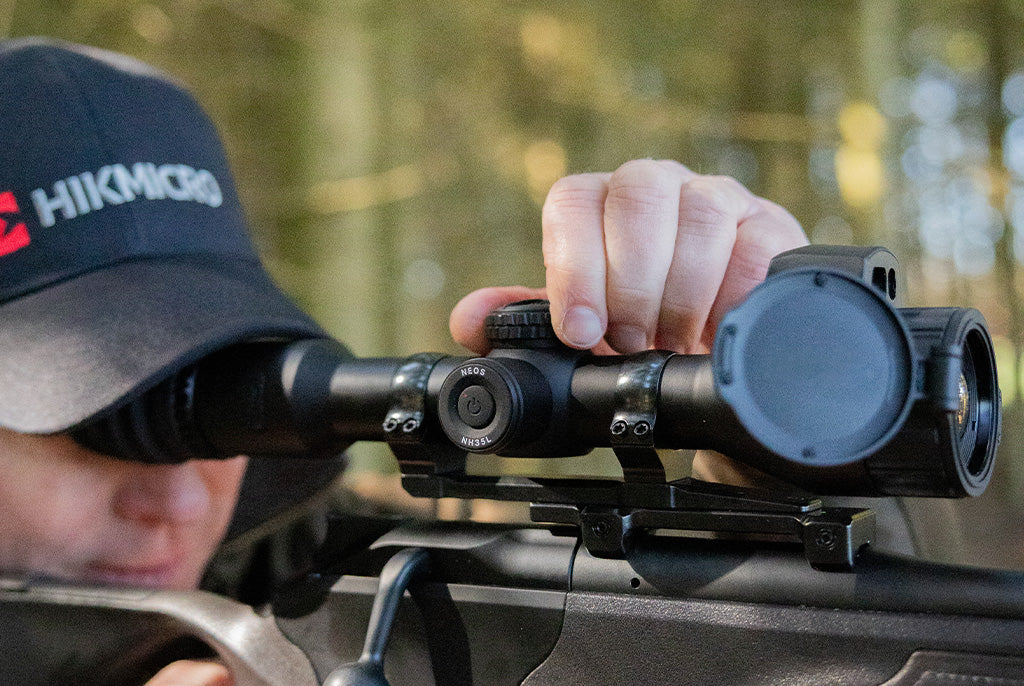
Buying your first thermal riflescope means weighing up sensor resolution, lens size and price against what you actually need in the field. Here is what matters, in order.
1. Sensor resolution
Most entry and mid-range scopes use a 256×192 or 384×288 sensor — plenty for spotting and identifying a fox or deer-sized target at typical UK ranges. Step up to a 640×512 sensor (like the Pixfra Cetus C635, £1,389.95) only if you need more detail at longer range or a wider field of view.
2. Lens size and detection range
A bigger lens (35 mm, 50 mm) generally means longer detection range, at the cost of a heavier, more expensive unit. A 25 mm lens like the HikMicro Neos NH25L (£999.99) suits typical farm and woodland ground; a 50 mm lens like the NocPix Ace H50R (£2,999) is built for open hill ground and long-range work.
3. Built-in laser rangefinder (LRF)
An LRF removes the guesswork from holdover at range — worth the extra cost if you regularly shoot beyond 150–200m. Most mid-range and premium models, including the Neos NH25L and Ace H50R above, include one as standard.
4. Budget tiers
As a rough guide: under £1,000 gets you a genuine, capable thermal riflescope for typical foxing and pest control (from £679.95 for the Pixfra Cetus C225). £1,500–£3,000 buys a serious all-rounder with LRF. Above £3,000, you are paying for sensor refinement, glass quality and long-range performance — worthwhile for professional or large-estate use.
Still not sure?
See the full Thermal Riflescopes range, compare models side by side, or ask our specialists — tell us your typical ground and quarry and we'll recommend the right scope.
Recent Articles
View all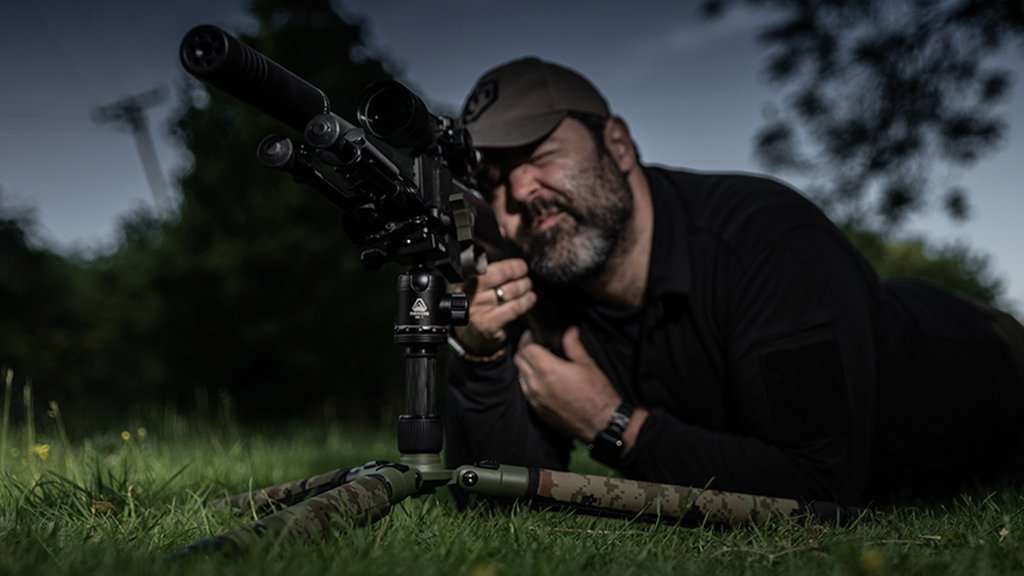
2026-08-06
Rifle Tripod vs Shooting Sticks – Which Rifle Support System is Right for You?
2026-07-23
WICKED REKON PRECISION CARBON SHOOTING TRIPOD - USE PRONE, SEATED OR STANDING
2026-07-23
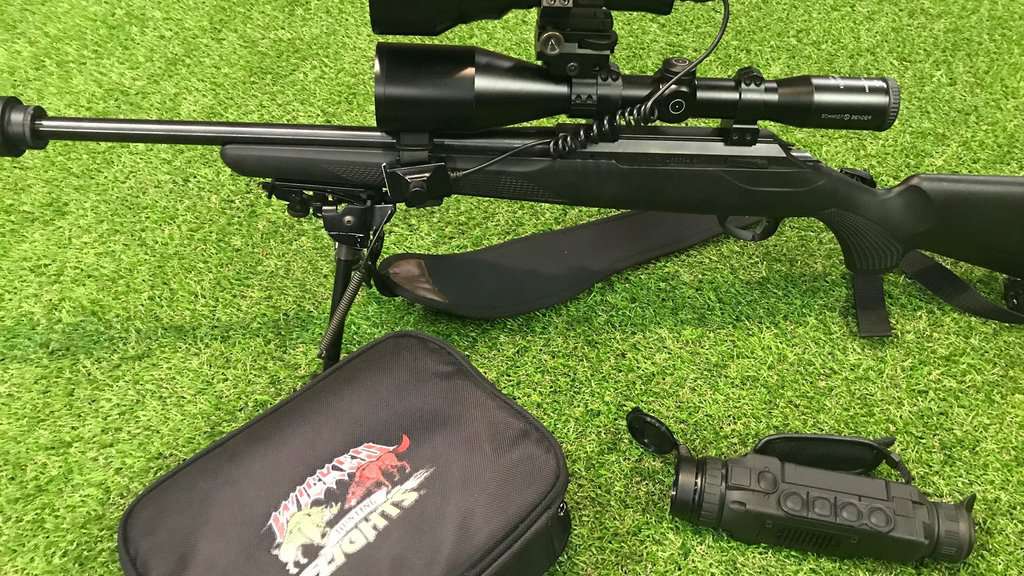
WICKED HUNTING LIGHTS - NOT JUST "ANOTHER TORCH"
2026-07-23